


Cost Allocation Software
Smarter, faster, more accurate allocations
Simplify asset, cost, and revenue allocations while saving time and uncovering fresh insights.
Replace tedious manual corrections and post-period adjustments
Dynamic allocations
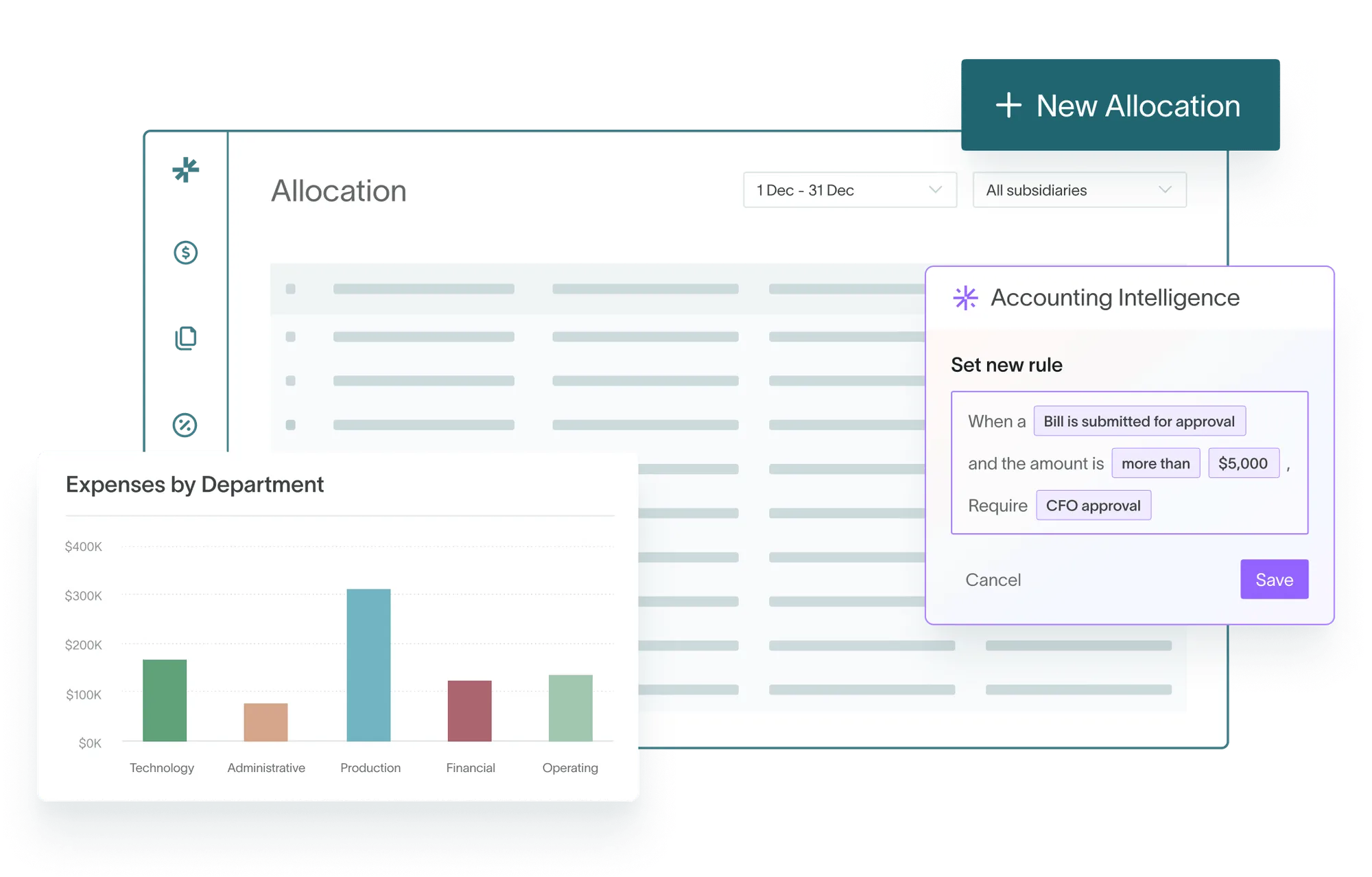
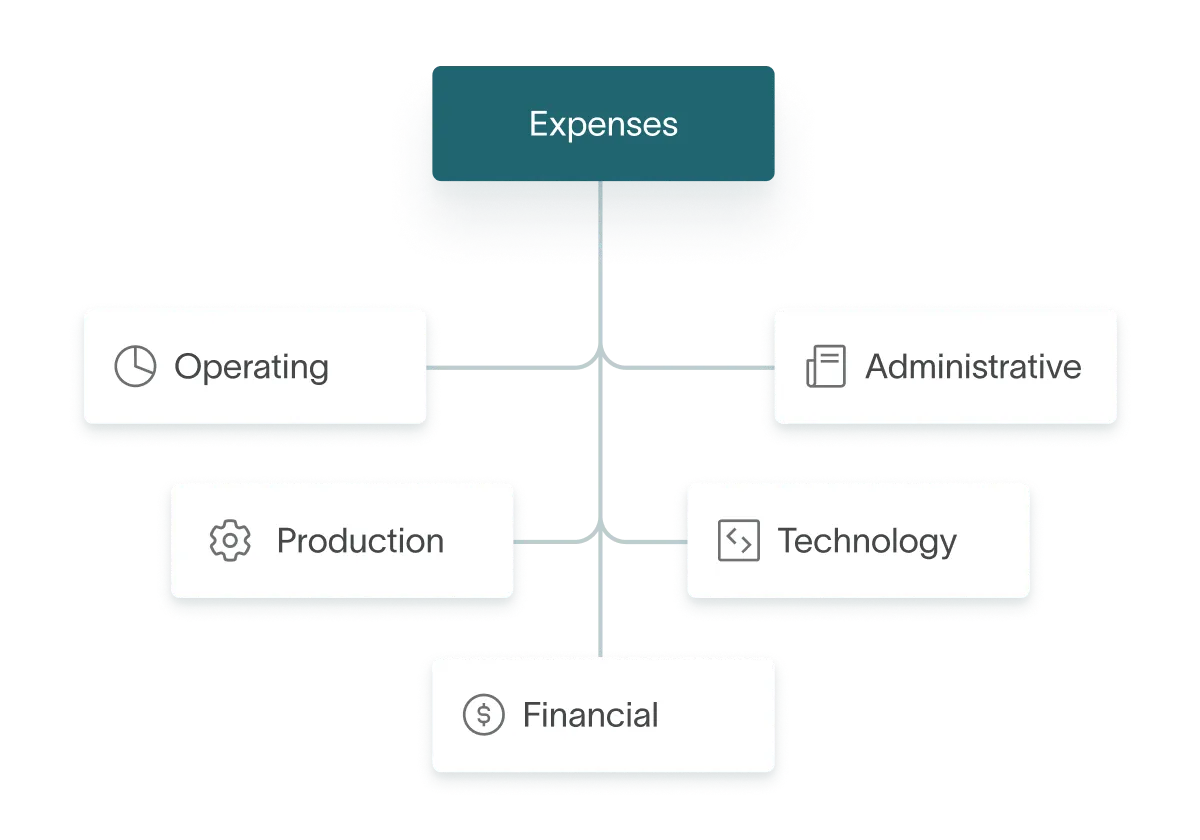
Automate cross-entity, cross-dimensional distributions. Get auto-generated journal entries using your chosen calculation methods, ensuring accurate allocations for departments, products, or projects.
AI 3-way matching
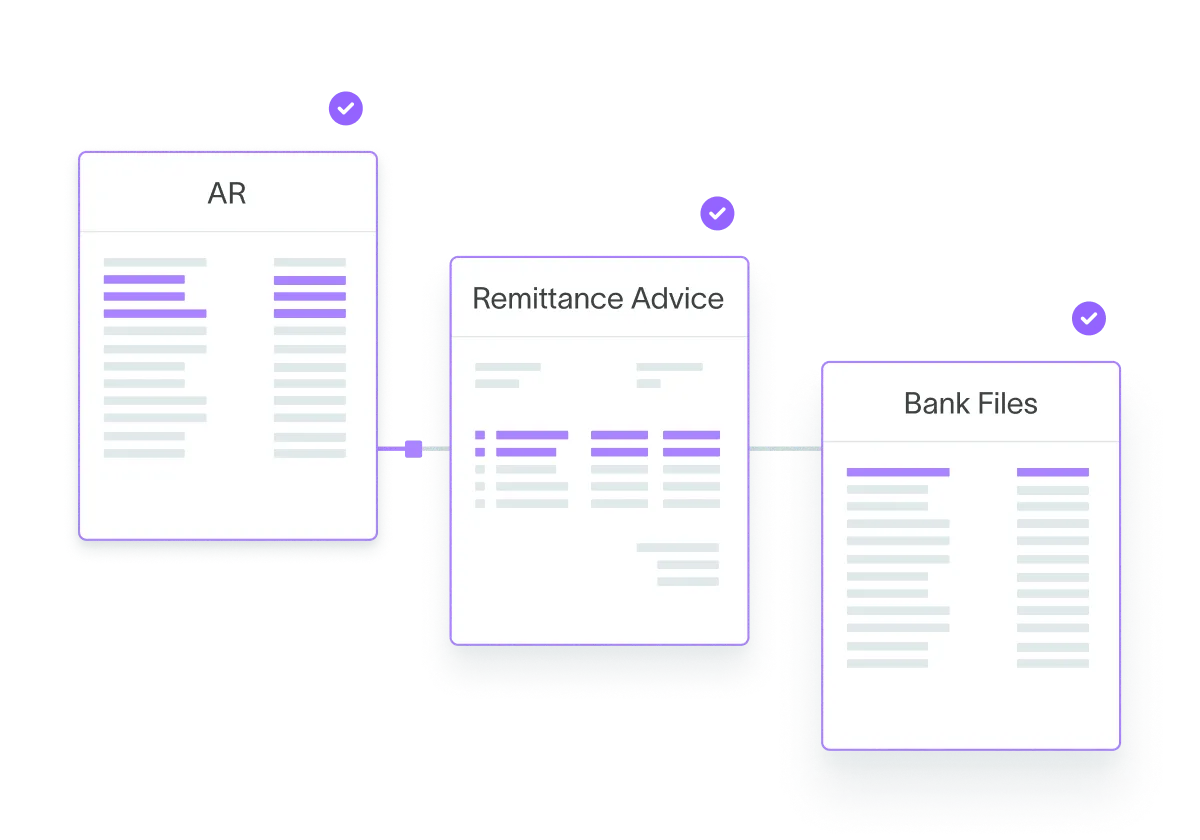
Save time with fast 3-way matching of payments, remittances, and invoices. DualEntry pulls details, matches invoices, and posts payments accurately, flagging discrepancies for review.
Cross-entity scheduling
Schedule recurring allocations across multiple entities in a few clicks. DualEntry automates intercompany allocations, ensuring timely, accurate distribution of shared costs and revenues.
Recurring allocation templates
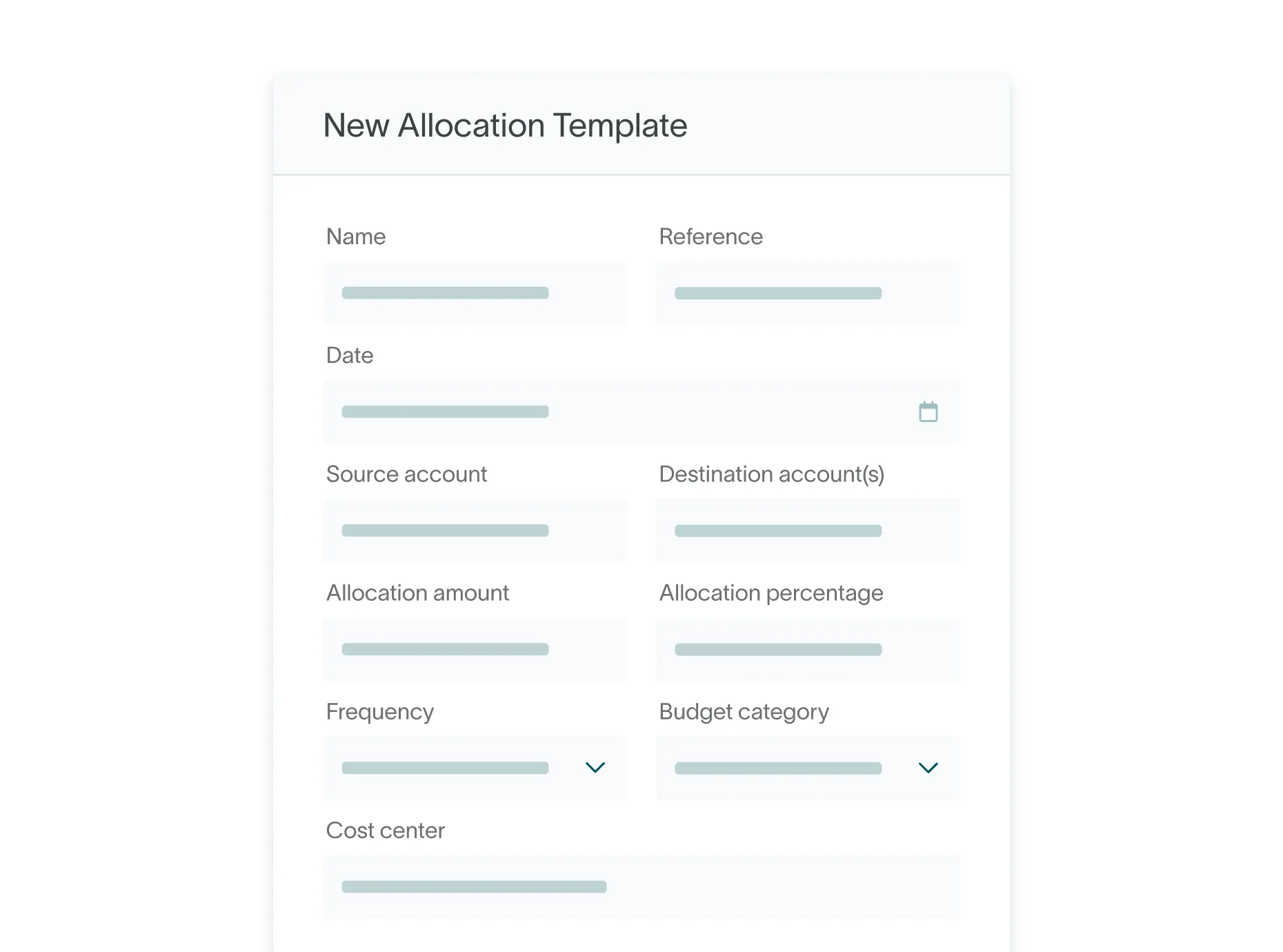
Use customizable, automated templates for recurring allocations. Generate them precisely without redefining calculations each time.
Automated remittance follow-ups
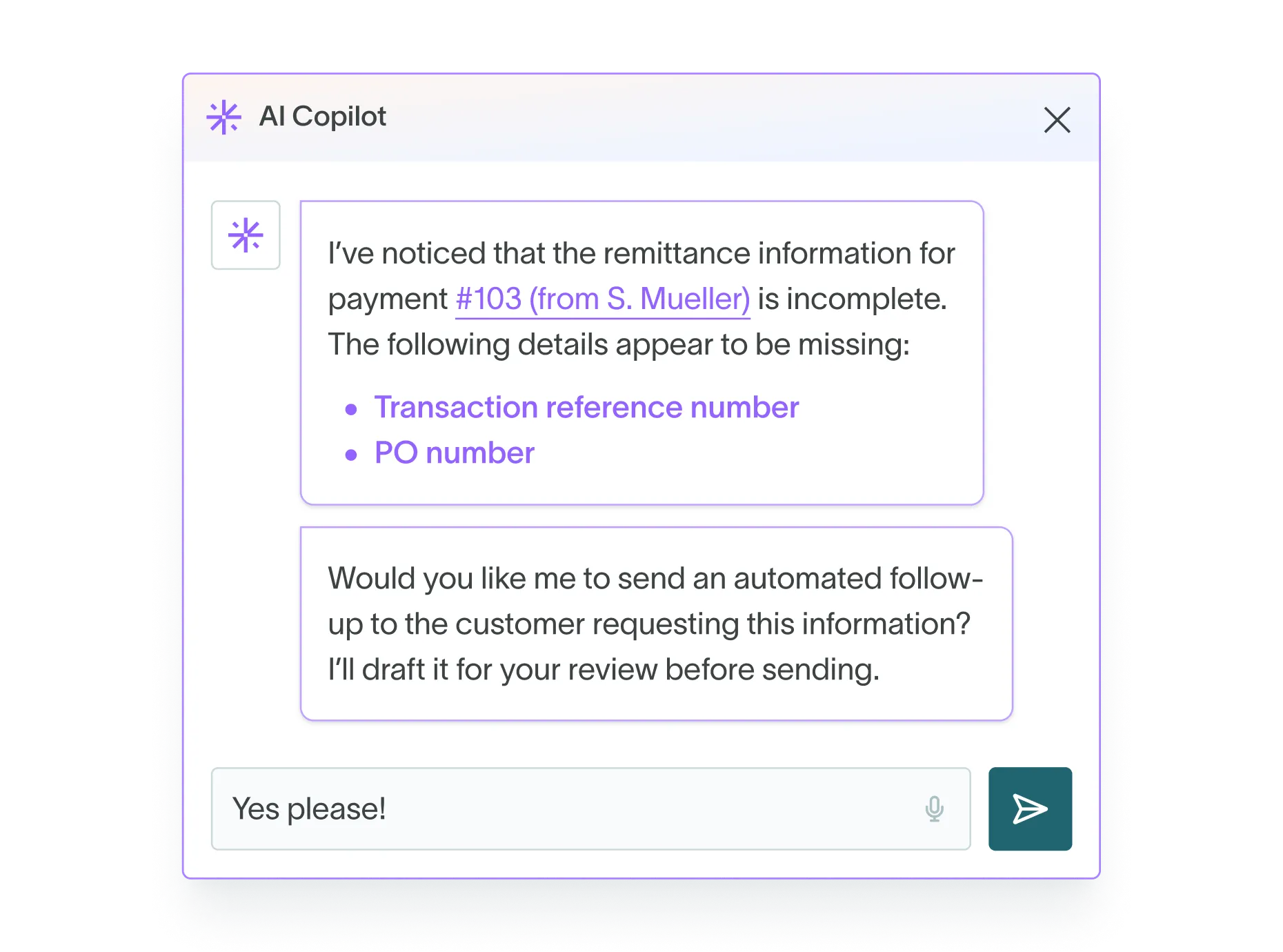
Automate follow-ups for missing details. Your AI copilot will proactively request customer details, freeing up your team for higher-value tasks.
Make data-driven decisions
Allocation impact analysis
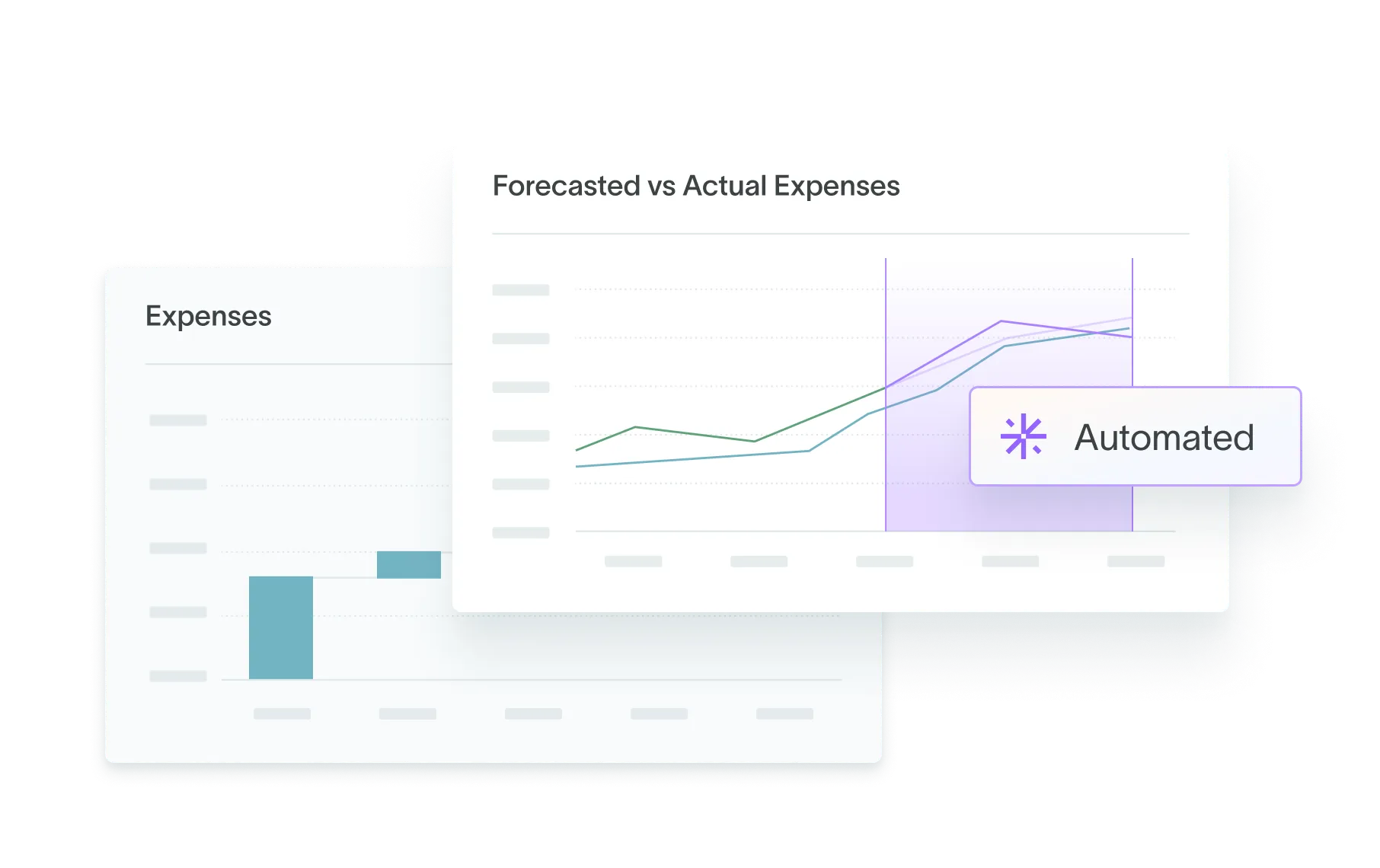
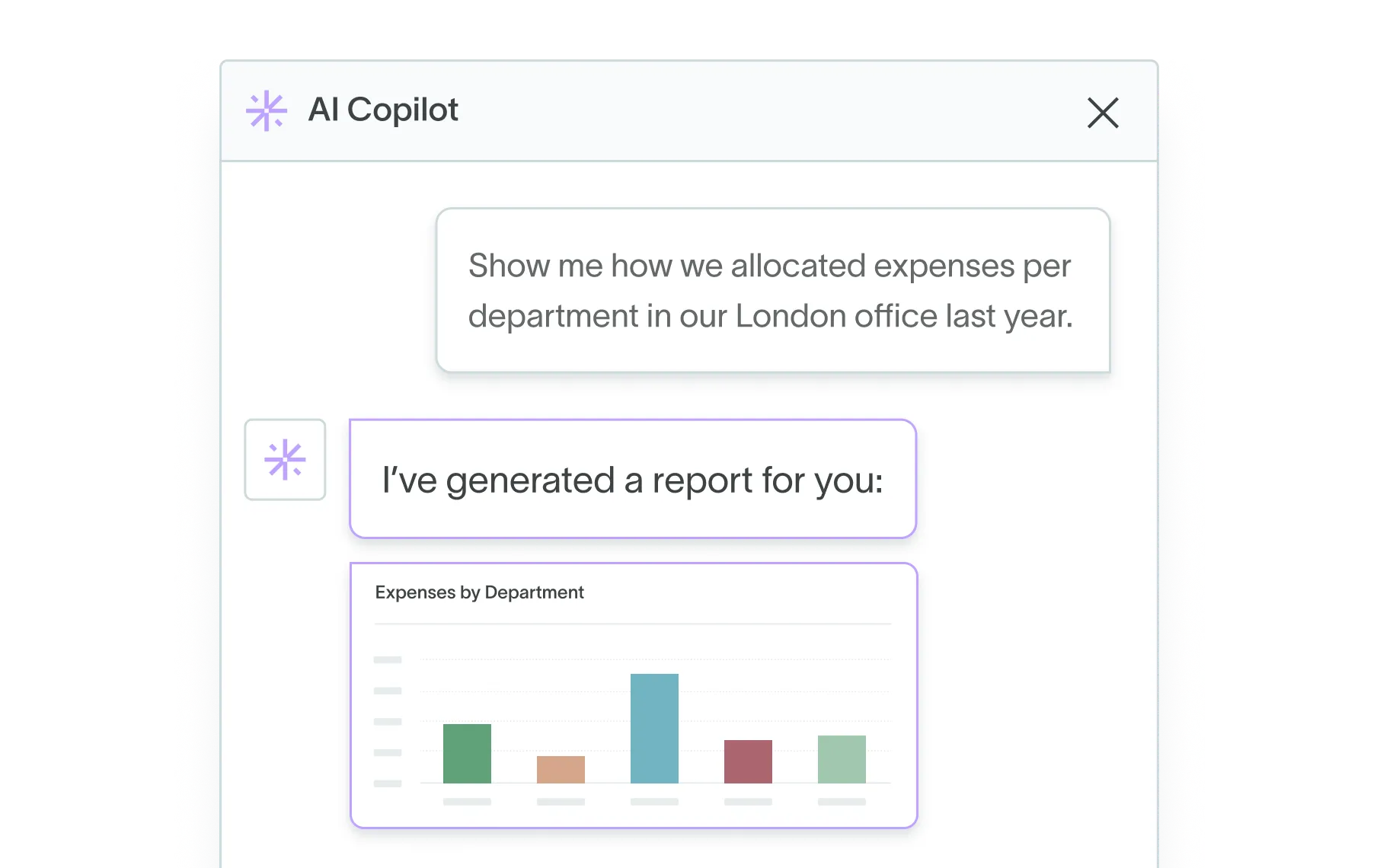
Compare allocation methods and visualize their effects instantly. Assess the impact of different allocation strategies with before-and-after views. No manual calculations or Excel required.
Live, tailored dashboards
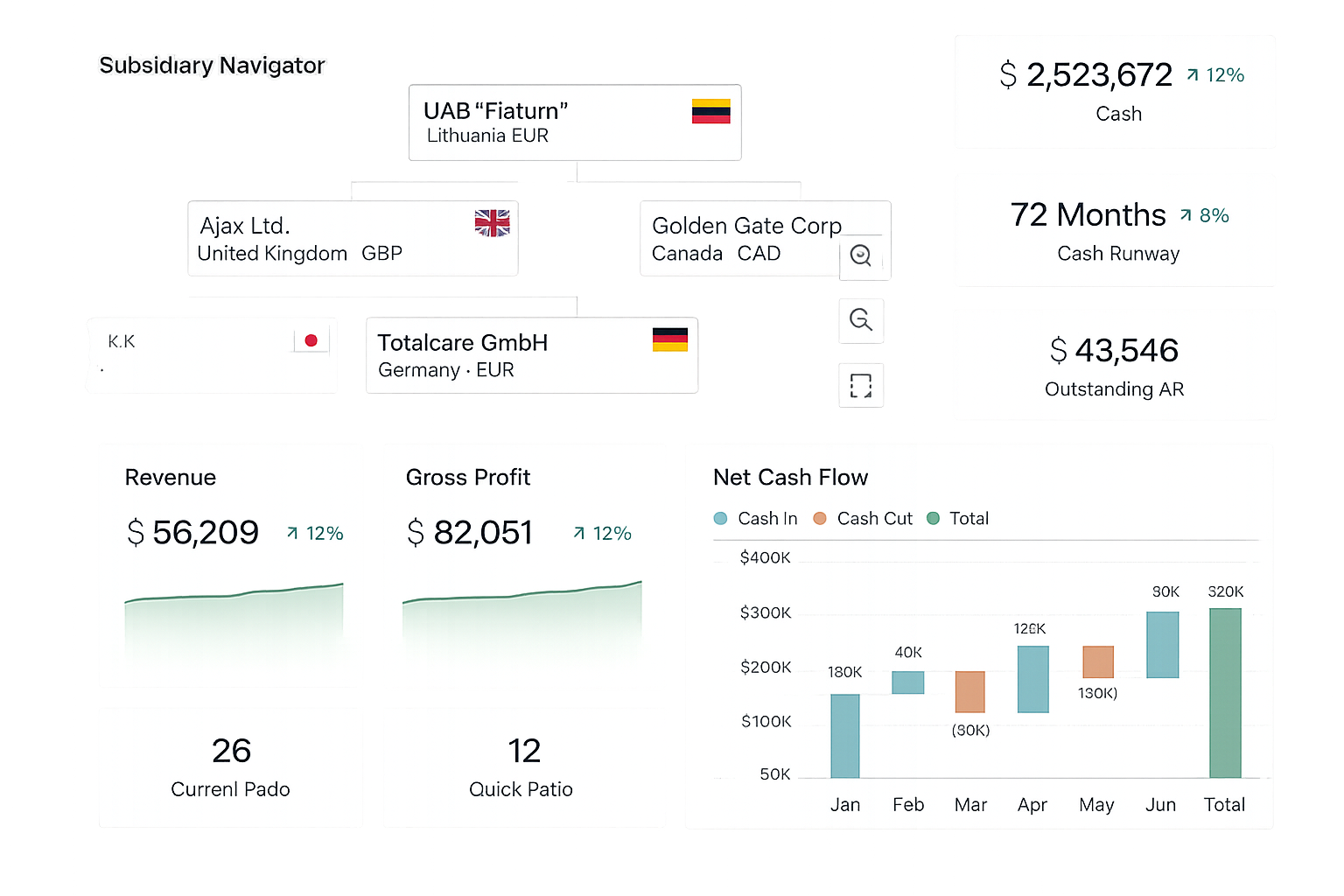
Track incoming payments and remittances in real time. Your dashboard's comprehensive, real-time overviews keep you ahead of cash-flow fluctuations.
KPI tracking
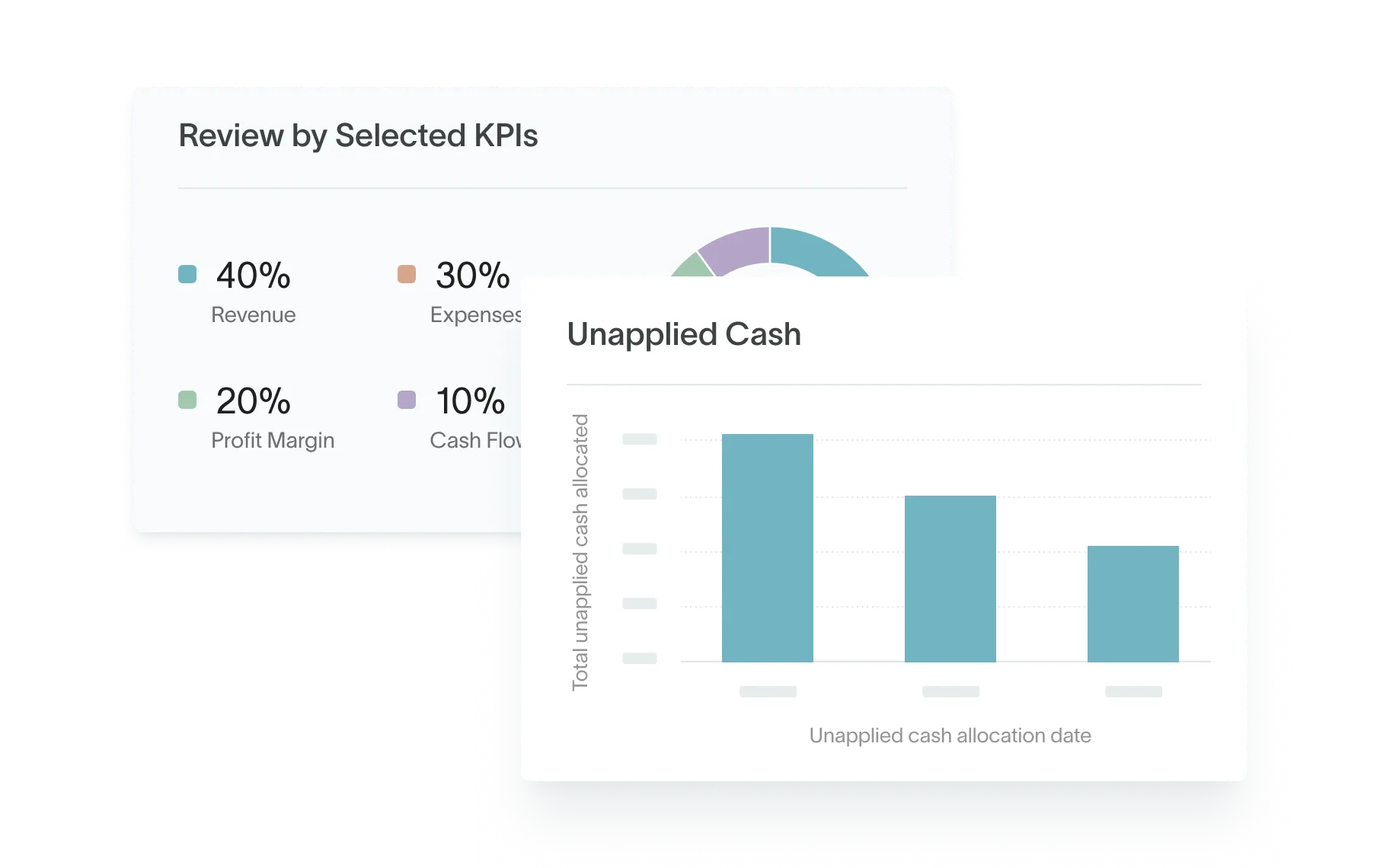
Track KPIs like auto-allocated payments, unapplied cash, and allocations by user. Monitor and improve cash-allocation performance in real time.
Custom allocation reports
Create shareable reports at any time, tailored to your needs: from standard reports on allocated payments and unapplied cash to fully customized analyses.
Detailed audit trails
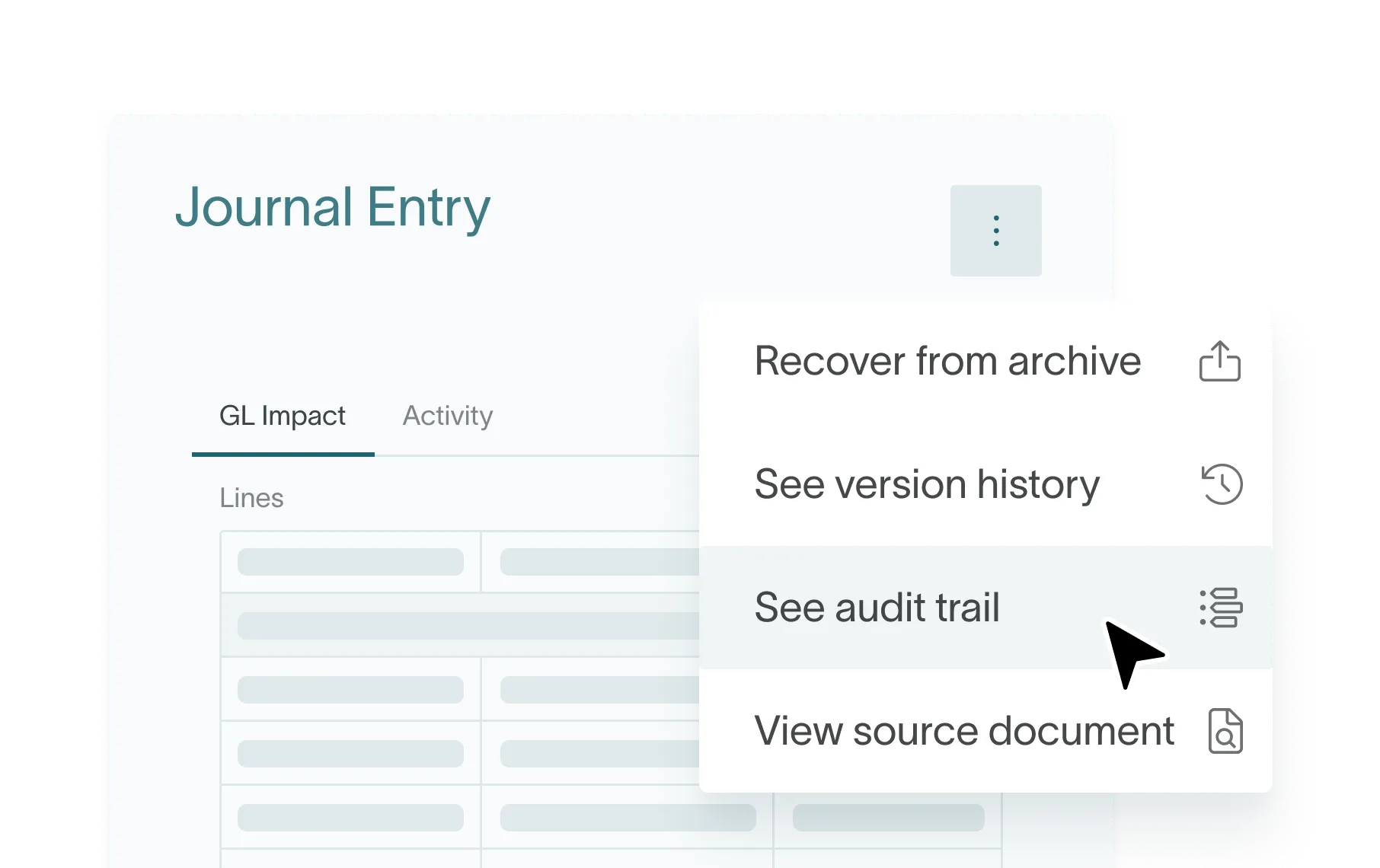
Drill down from allocation journal entries to source data effortlessly. For less pain during future audits, trace every allocation back to its origin with a single click.
Collaborate with ease
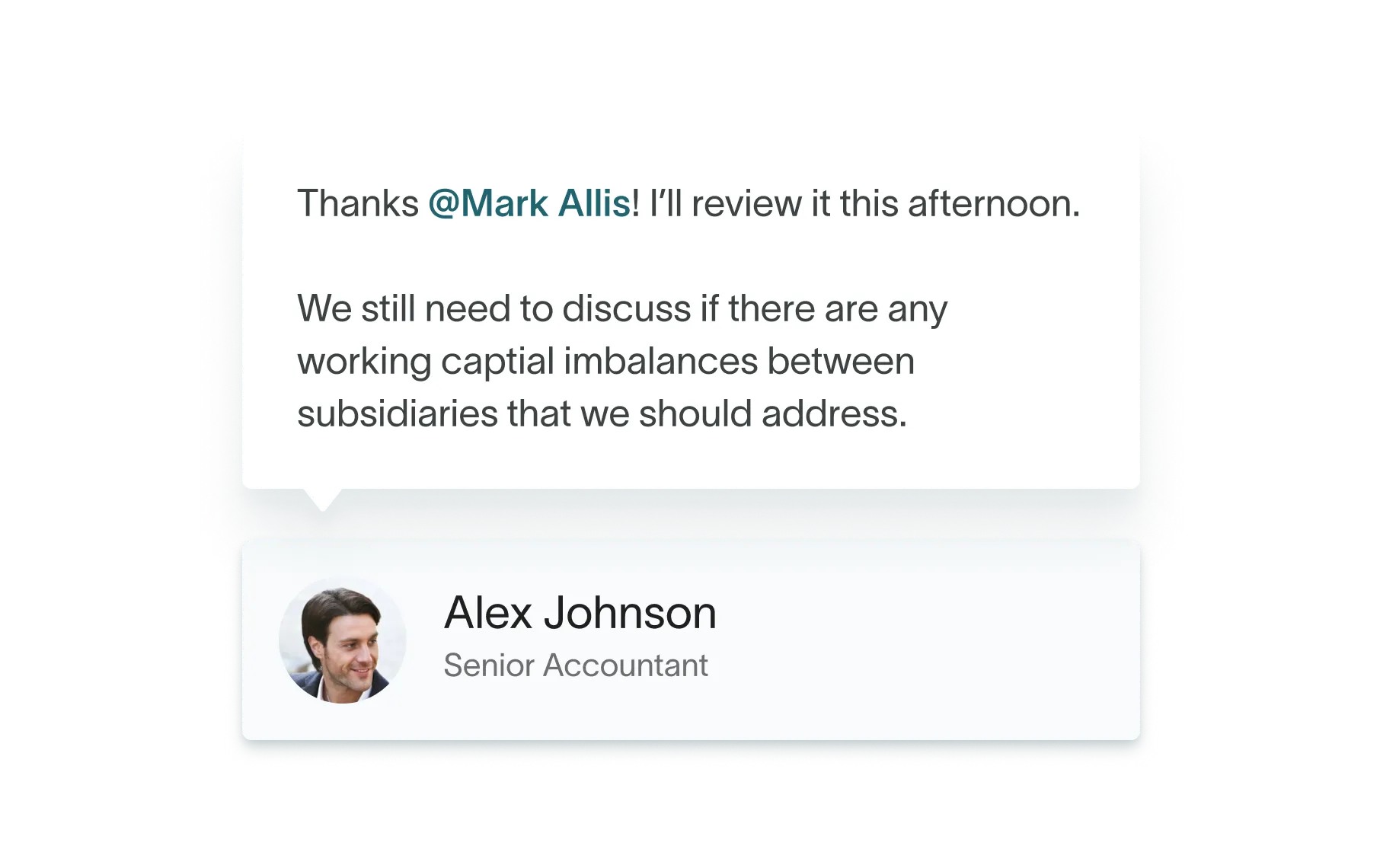
Move discussions directly into allocation forms to break down silos. Keep full conversation records for transparency and smooth workflows.
Cost Allocation Software FAQ
Cost allocation software allows finance teams to track, sum, and assign costs to specific cost objects. In accounting a cost object is any item that the company measures separately like an activity, a department, a product or a service.
To allocate common costs you should follow a three step process:
- First you need to find the cost objects like departments, products, services or entities the costs will be allocated.
- Then you need to choose the allocation bases. This means finding the criteria used to distribute costs. If its salaries, its working hours, if it’s a machine, its hours operated etc.
- Then finally you should calculate and report the allocated costs to your accounting system.
Because the cost allocation process is complex and time consuming the easiest method of cost allocation is using software that automates this process completely. With DualEntry you can set rules on cost objects and it will automatically split and allocate costs between different departments and entities.
DualEntry uses a technology called dynamic allocations. What this means is that it automates complex distributions across entities and dimensions. It pulls source balances and creates journal entries based on your preferred calculation methods
Yes you can track and audit all allocation with DualEntry as it keeps detailed logs of all allocation history, system customizations, master-data changes, and modifications to workflows, scripts, and system settings.
See the full power of DualEntry in 30 minutes
Recent articles

Foreign Exchange Risk Management: Types & Strategies
Discover foreign exchange risk management: key types, challenges, and strategies. Learn how FX hedging and automation strengthen treasury operations.

AI in Accounting: The Complete 2026 Guide
A complete 2026 guide to AI in accounting: key use cases, benefits, risks, and how finance teams use AI for reporting, audit, tax, and planning.

AI Benefits in Accounting
Discover the key benefits of AI in accounting from faster closes and lower costs to better accuracy, fraud detection, and forecasting. See how modern finance teams use AI in 2025.